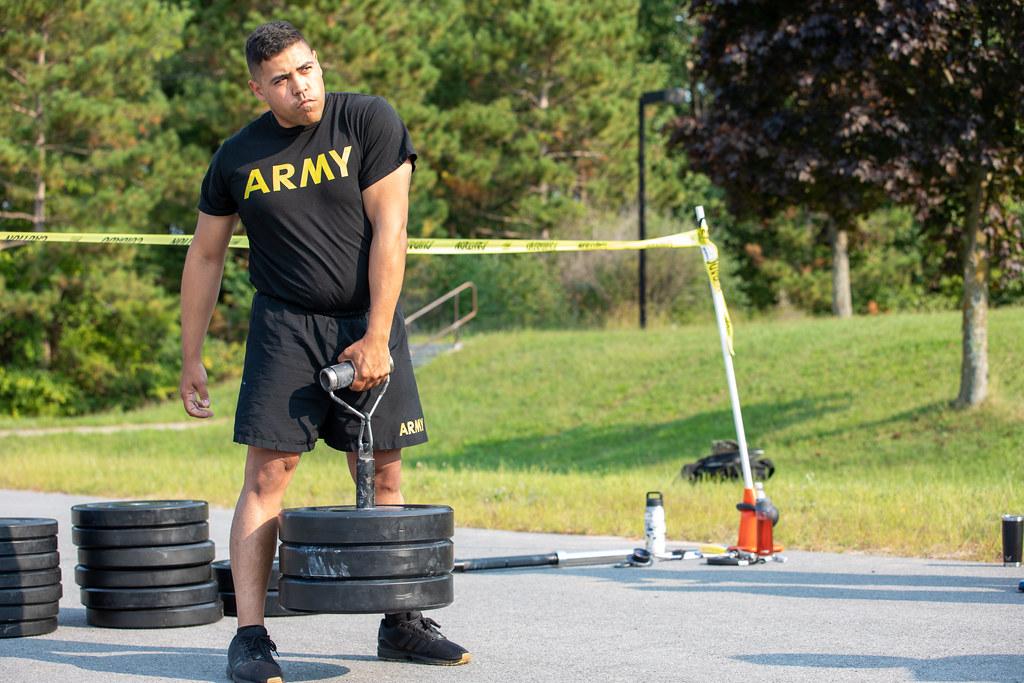
4-Week Grip Strength Challenge: A Step-by-Step Plan for Desk Workers
Quick answer
If you spend most of your day typing or scrolling, your grip strength likely isn’t where it could be. This 4-week grip strength challenge gives you a structured, progressive plan to rebuild hand and forearm endurance in just 5–10 minutes a day—no gym required. You’ll start with basic holds, move to controlled reps, and finish with dynamic movements that mimic real-life tasks like carrying groceries or opening jars. The goal isn’t just stronger hands; it’s hands that feel less fatigued by the end of the workday.
For a deeper dive—including troubleshooting tips, printable trackers, and science-backed variations—check out Strong Hands in 4 Weeks: Science-Backed Grip Training for Desk Workers (No Gym Required). It’s designed for people who want a done-for-you plan without the guesswork.
Why grip strength matters for desk workers
Most desk workers don’t think about grip strength until they struggle to open a jar or their hands cramp after a long meeting. But grip strength isn’t just about convenience—it’s a proxy for overall health. Studies link stronger grips to better longevity, reduced injury risk, and even improved cognitive function. For desk workers, weak grip often shows up as:
- Hand fatigue after typing or writing
- Difficulty carrying bags or lifting objects
- Wrist or forearm pain from repetitive tasks
- A weak handshake (which can subtly affect first impressions)
The good news? You don’t need heavy weights or a gym to improve. This challenge uses everyday objects—towels, water bottles, even your desk chair—to build strength progressively. By the end of four weeks, you’ll notice less fatigue, better endurance, and more confidence in daily tasks.
Who this challenge is for (and who it’s not for)
This plan is ideal for:
- Desk workers who want to reverse stiffness and fatigue from typing or scrolling
- People with no gym access or limited time (5–10 minutes a day)
- Beginners who need a structured, low-risk starting point
- Anyone who’s tried random grip exercises but hasn’t seen results
It’s not for:
- Advanced athletes looking for high-intensity grip training
- People with recent hand or wrist injuries (consult a doctor first)
- Those who prefer unstructured workouts (this plan is progressive and specific)
If you’re unsure whether your current grip strength is “normal,” try this quick test: Hold a heavy book (like a dictionary or textbook) in one hand, arm extended straight down. If you can’t hold it for 30 seconds without shaking, this challenge is a great fit. For a more detailed self-assessment, Strong Hands in 4 Weeks includes a full baseline test and tracking sheets to monitor progress.
The 4-week plan: week-by-week breakdown
This plan follows a simple rule: start light, focus on form, and progress gradually. Each week builds on the last, so don’t skip ahead—even if a week feels easy. Consistency matters more than intensity.
Week 1: Foundation (static holds)
Goal: Build endurance with static holds. These teach your hands and forearms to sustain tension without movement.
Time: 5 minutes a day, 5 days a week.
Exercises:
- Towel grip hold: Drape a hand towel over a doorknob. Grab each end with one hand and pull outward, keeping your arms straight. Hold for 10–15 seconds, rest 10 seconds, repeat 3–5 times.
- Desk chair lift: Sit in your desk chair. Place your hands on the armrests (or seat edges if no armrests). Press down and lift your body slightly off the chair. Hold for 5–10 seconds, rest 10 seconds, repeat 3–5 times.
- Water bottle pinch: Fill a water bottle halfway. Pinch the top with your thumb and fingers (no palm). Hold for 10–15 seconds, rest 10 seconds, repeat 3–5 times per hand.
Pro tip: If your hands shake during holds, you’re working too hard. Reduce the time or use a lighter object (e.g., a thinner towel or less water in the bottle).
Week 2: Controlled reps (dynamic strength)
Goal: Introduce movement to build strength through a full range of motion.
Time: 7–10 minutes a day, 5 days a week.
Exercises:
- Towel grip curls: Use the same towel setup as Week 1. Instead of holding, curl the towel toward you by bending your elbows, then slowly lower. Do 8–10 reps, 2–3 sets.
- Rubber band extensions: Place a rubber band around your fingers and thumb. Open your hand against the band’s resistance, then slowly close. Do 10–12 reps, 2–3 sets per hand.
- Water bottle wrist curls: Hold a water bottle in one hand, palm up. Curl your wrist upward, then lower slowly. Do 10–12 reps, 2–3 sets per hand. Flip your palm down and repeat for reverse wrist curls.
Pro tip: Focus on slow, controlled movements. If you’re swinging the bottle or rushing, use a lighter one (or less water).
Week 3: Endurance and variety (longer holds + new movements)
Goal: Increase time under tension and introduce variety to challenge different grip types.
Time: 10 minutes a day, 5 days a week.
Exercises:
- Extended towel hold: Hold the towel grip (Week 1) for 20–30 seconds, 3–5 reps. Add a twist: rotate your wrists outward every 5 seconds.
- Farmer’s carry (mini version): Grab two water bottles (or grocery bags with equal weight). Walk 10–15 steps, turn around, and walk back. Do 2–3 sets. If this feels easy, increase the weight or distance.
- Finger extensions: Place your hand flat on a table, palm down. Lift each finger one at a time, then all together. Do 2–3 sets of 10 reps per hand.
Pro tip: If your grip fails during the farmer’s carry, set the bottles down, rest 10 seconds, and finish the set. The goal is to challenge yourself without dropping.
Week 4: Integration (real-world strength)
Goal: Combine static holds, dynamic reps, and functional movements to mimic daily tasks.
Time: 10–12 minutes a day, 5 days a week.
Exercises:
- Towel grip + curl combo: Hold the towel grip (Week 1) for 15 seconds, then immediately do 5 towel curls (Week 2). Rest 20 seconds, repeat 3–5 times.
- Farmer’s carry + pinch: Combine the farmer’s carry (Week 3) with the water bottle pinch (Week 1). Hold the bottles by the top (pinch grip) and walk 10–15 steps. Do 2–3 sets.
- Desk chair lift + hold: Lift your body off the chair (Week 1) and hold for 10 seconds. Lower slowly, then repeat 5 times.
Pro tip: Pay attention to how your hands feel during daily tasks this week. You should notice less fatigue when carrying bags, typing, or opening containers.
Troubleshooting: common problems and fixes
Even with a structured plan, you might hit snags. Here’s how to handle them:
| Problem | Likely Cause | Fix |
|---|---|---|
| Hands shake during holds | Too much resistance or poor form | Reduce weight/time, focus on slow breathing, or switch to a lighter object (e.g., thinner towel) |
| Wrist or forearm pain | Overtraining or incorrect wrist position | Rest 1–2 days, ice the area, and check your wrist alignment (keep it straight, not bent) |
| No progress after Week 2 | Not progressing resistance or skipping days | Increase weight (e.g., more water in the bottle) or add 1–2 reps per set |
| Boredom or lack of motivation | Monotonous routine | Swap one exercise for a new one (e.g., replace towel curls with rubber band extensions) |
| Hands feel weaker after workouts | Not enough recovery | Add a rest day, stretch your hands/forearms, or reduce workout time by 2 minutes |
If you’re struggling with consistency or need more personalized adjustments, Strong Hands in 4 Weeks includes a troubleshooting guide with 20+ common issues and step-by-step fixes.
Beyond the challenge: maintaining and advancing grip strength
After four weeks, you’ll have a stronger grip—but the work doesn’t stop there. Here’s how to maintain and build on your progress:
- Incorporate grip work into your routine: Add 2–3 minutes of grip exercises to your warm-up or cooldown for other workouts (e.g., before yoga or a walk).
- Use everyday objects: Carry grocery bags with your fingers (not palms), open jars with your non-dominant hand, or squeeze a stress ball while watching TV.
- Progress to advanced variations: Try one-arm towel holds, thicker towels, or weighted carries (e.g., a backpack with books).
- Test your grip monthly: Use the baseline test from Week 1 to track improvements. Aim for a 10–20% increase in hold time or reps.
If you’re ready to take your grip training further—whether for sports, injury prevention, or daily confidence—Strong Hands in 4 Weeks includes a 12-week advanced plan, printable trackers, and video demonstrations for 30+ exercises. It’s designed for people who want a clear path from beginner to strong, capable hands.
Who this ebook is for (and how it solves specific problems)
This ebook is for desk workers who:
- Want a done-for-you plan: No guessing which exercises to do or how to progress. The ebook includes daily workouts, trackers, and a 12-week roadmap.
- Need accountability: Printable logs and progress charts help you stay consistent, even on busy days.
- Struggle with motivation: The ebook breaks down the science behind grip training in simple terms, so you understand why each exercise matters.
- Have limited time: Workouts are designed for 5–10 minutes a day, with options to combine exercises for efficiency.
- Want to avoid injuries: Includes warm-up and cooldown routines to prevent strain, plus modifications for wrist or hand issues.
If you’ve tried random grip exercises but haven’t seen results, this ebook gives you the structure and clarity to make real progress. Get Strong Hands in 4 Weeks here.
Frequently asked questions
Can I do this challenge if I have carpal tunnel or arthritis?
It depends on the severity. This challenge is low-impact, but if you feel pain (not just discomfort), stop immediately. For carpal tunnel, avoid exercises that bend your wrist (e.g., wrist curls). For arthritis, focus on gentle movements and shorter holds. If in doubt, consult a doctor or physical therapist. The ebook Strong Hands in 4 Weeks includes modifications for common conditions.
How soon will I see results?
Most people notice less hand fatigue within 1–2 weeks. By Week 4, you should see measurable improvements in grip endurance (e.g., holding objects longer or carrying bags more easily). Strength gains typically take 4–6 weeks to become noticeable in daily tasks.
Do I need special equipment?
No. This challenge uses everyday objects: towels, water bottles, rubber bands, and your desk chair. If you want to add resistance later, you can use household items like canned goods or a backpack with books.
What if I miss a day or a week?
Don’t stress. Just pick up where you left off. If you miss more than a few days, repeat the previous week to avoid jumping into harder exercises too quickly. Consistency over time matters more than perfection.
Can I combine this with other workouts?
Yes. Grip training complements other workouts, especially upper-body or functional fitness routines. If you’re doing heavy lifting or high-rep exercises, space out your grip workouts to avoid overuse (e.g., do grip training in the morning and lifting in the evening).
How do I know if I’m doing the exercises correctly?
Focus on slow, controlled movements and full range of motion. If you’re swinging objects or using momentum, you’re likely compensating with other muscles. For example, during towel curls, your forearms should do the work—not your shoulders. The ebook Strong Hands in 4 Weeks includes video links and form cues for every exercise.
Final thoughts: your hands are worth the effort
Grip strength is one of those things you don’t notice until it’s gone. But with just 5–10 minutes a day, you can rebuild endurance, reduce fatigue, and feel more capable in daily tasks. This 4-week challenge gives you a clear, progressive plan to start—no gym, no guesswork.
If you’re ready to go deeper—with advanced exercises, troubleshooting guides, and a 12-week roadmap—Strong Hands in 4 Weeks is designed to take you from beginner to strong, confident hands. Your future self will thank you when opening jars, carrying groceries, or shaking hands feels effortless.
Related guides
For the next practical step, explore these related guides:
Make Your Business Online By The Best No—Code & No—Plugin Solution In The Market.
30 Day Money-Back Guarantee
Say goodbye to your low online sales rate!
Can I do this challenge if I have carpal tunnel or arthritis?
It depends on the severity. This challenge is low-impact, but if you feel pain (not just discomfort), stop immediately. For carpal tunnel, avoid exercises that bend your wrist (e.g., wrist curls). For arthritis, focus on gentle movements and shorter holds. If in doubt, consult a doctor or physical therapist. The ebook includes modifications for common conditions.
How soon will I see results?
Most people notice less hand fatigue within 1–2 weeks. By Week 4, you should see measurable improvements in grip endurance (e.g., holding objects longer or carrying bags more easily). Strength gains typically take 4–6 weeks to become noticeable in daily tasks.
Do I need special equipment?
No. This challenge uses everyday objects: towels, water bottles, rubber bands, and your desk chair. If you want to add resistance later, you can use household items like canned goods or a backpack with books.
What if I miss a day or a week?
Don’t stress. Just pick up where you left off. If you miss more than a few days, repeat the previous week to avoid jumping into harder exercises too quickly. Consistency over time matters more than perfection.
Can I combine this with other workouts?
Yes. Grip training complements other workouts, especially upper-body or functional fitness routines. If you’re doing heavy lifting or high-rep exercises, space out your grip workouts to avoid overuse (e.g., do grip training in the morning and lifting in the evening).
How do I know if I’m doing the exercises correctly?
Focus on slow, controlled movements and full range of motion. If you’re swinging objects or using momentum, you’re likely compensating with other muscles. For example, during towel curls, your forearms should do the work—not your shoulders. The ebook includes video links and form cues for every exercise.