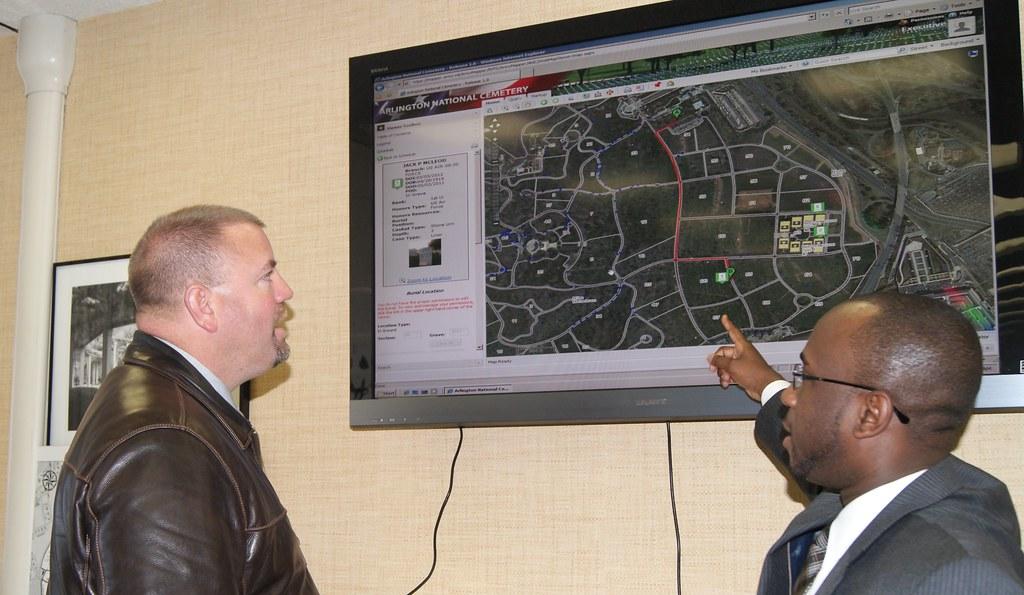
Understanding the Unique Challenges of Cemetery Business Management
Quick answer
Managing a cemetery involves balancing emotional sensitivity, operational efficiency, and financial sustainability. Owners face unique challenges like limited land availability, regulatory compliance, and maintaining community trust. These hurdles require thoughtful planning, modern business strategies, and a focus on both profitability and compassionate service. Solutions exist, but they demand a shift from traditional approaches to structured, data-driven management.
Why Cemetery Management Feels Different
Running a cemetery isn’t like managing a retail store or a service business. The stakes are higher, the emotions deeper, and the expectations more personal. Families entrust you with their most sacred memories, and that trust comes with responsibilities that go beyond typical business operations. Unlike other industries, a cemetery’s “product” is permanent, and mistakes can’t be undone. This permanence shapes every decision, from pricing to maintenance to customer interactions.
For example, while a retail store can adjust inventory based on demand, a cemetery must plan decades ahead. Land is finite, and once a plot is sold, it’s off the market forever. This creates pressure to optimize space while ensuring dignity and accessibility. The emotional weight of the work also means staff training must include both technical skills and empathy, a rare combination in most businesses.
The Emotional Challenges: More Than Just a Business
Cemeteries are places of grief, remembrance, and healing. Families visiting your grounds are often in vulnerable states, and their experiences shape their perception of your business. A poorly maintained pathway, a misplaced headstone, or an unreturned phone call can turn a moment of solace into one of frustration. These emotional stakes make customer service in cemeteries uniquely demanding.
Consider the following scenarios:
- A family arrives to visit a loved one’s grave, only to find the area overgrown or the headstone damaged. Their grief is compounded by disappointment in your care.
- A long-time donor to your cemetery’s memorial fund feels ignored when their calls go unanswered. Their trust erodes, and they may take their business elsewhere.
- Staff members, exposed to grief daily, experience burnout or compassion fatigue, leading to high turnover and inconsistent service.
Addressing these challenges requires more than good intentions. It demands systems for consistent maintenance, staff training in emotional intelligence, and clear communication protocols. For instance, implementing a digital tracking system for maintenance requests ensures no issue falls through the cracks. Training staff to recognize and respond to grief with empathy can turn a negative experience into a positive one, fostering long-term loyalty.
The Operational Hurdles: Efficiency Without Compromising Dignity
Operational challenges in cemetery management often revolve around balancing efficiency with the need for dignity and respect. Unlike a warehouse or office, a cemetery’s “workflow” involves sacred spaces, and every task—from groundskeeping to record-keeping—must be performed with care. Here are some common operational pain points:
Land Use and Space Optimization
Cemeteries are finite. Once land is sold, it’s no longer available for future revenue. This creates a tension between maximizing current sales and preserving space for future generations. Poor planning can lead to overcrowding, which diminishes the aesthetic and emotional value of the cemetery. On the other hand, underutilizing space leaves money on the table.
A practical approach is to use a tiered pricing model based on plot location, size, and amenities. For example, plots near scenic areas or with premium landscaping can be priced higher, while less desirable locations are offered at a discount. This strategy optimizes revenue while ensuring all families have access to dignified burial options. Additionally, consider offering pre-need sales to lock in revenue and plan for future space allocation.
Record-Keeping and Compliance
Accurate record-keeping is non-negotiable in cemetery management. Families rely on you to maintain precise records of plot ownership, burial locations, and maintenance histories. Errors can lead to legal disputes, reputational damage, and emotional distress for families. Regulatory compliance adds another layer of complexity, as laws governing cemeteries vary by state and municipality.
Many cemeteries still rely on paper records or outdated software, which increases the risk of errors. Transitioning to a digital record-keeping system can streamline operations, reduce mistakes, and improve accessibility. For example, a cloud-based database allows staff to update records in real time, ensuring everyone has access to the most current information. It also simplifies compliance reporting, as data can be easily exported and shared with regulators.
Maintenance and Groundskeeping
Maintaining a cemetery is a year-round job. Overgrown grass, damaged headstones, and poorly maintained pathways can detract from the cemetery’s beauty and dignity. However, hiring and retaining skilled groundskeepers can be challenging, especially in rural areas where labor is scarce. Seasonal fluctuations in weather also add complexity, as heavy rain or snow can disrupt maintenance schedules.
One solution is to create a maintenance checklist that prioritizes tasks based on urgency and impact. For example:
| Task | Frequency | Priority | Notes |
|---|---|---|---|
| Mowing and trimming | Weekly (spring-fall) | High | Focus on high-traffic areas first |
| Headstone cleaning | Monthly | Medium | Use gentle, non-abrasive cleaners |
| Pathway repairs | As needed | High | Address cracks or uneven surfaces immediately |
| Tree and shrub pruning | Seasonally | Medium | Prevent overgrowth near headstones |
| Drainage checks | After heavy rain | High | Prevent flooding in low-lying areas |
Outsourcing certain tasks, like tree removal or major repairs, can also help manage workloads during peak seasons. However, it’s important to vet contractors carefully to ensure they understand the unique needs of a cemetery environment.
The Financial Challenges: Balancing Profit and Purpose
Cemeteries operate on thin margins, and financial challenges are a constant concern. Unlike other businesses, cemeteries can’t rely on repeat customers or upselling. Once a plot is sold, the revenue stream from that family is limited to maintenance fees, memorial donations, or occasional add-on services like headstone engravings. This makes it difficult to sustain long-term profitability without diversifying income sources.
Revenue Streams: Beyond Plot Sales
Relying solely on plot sales is a risky strategy. To create a sustainable financial model, cemeteries must explore additional revenue streams. Here are a few ideas:
- Pre-need sales: Selling plots in advance locks in revenue and allows families to plan ahead. This also helps with space allocation and cash flow.
- Maintenance fees: Charging annual or one-time maintenance fees ensures ongoing revenue for upkeep. Be transparent about how these fees are used to build trust with families.
- Memorial products and services: Offering headstones, benches, or engraved plaques can generate additional income. Partnering with local artisans can add a personal touch while supporting the community.
- Donations and endowments: Establishing a memorial fund or endowment can provide long-term financial stability. Families may be more willing to donate if they see the impact on the cemetery’s upkeep.
- Event hosting: Some cemeteries host memorial events, historical tours, or even weddings in scenic areas. These events can generate revenue while honoring the cemetery’s legacy.
Cost Management: Doing More with Less
Controlling costs is critical in a low-margin business like cemetery management. However, cutting corners can backfire, leading to poor maintenance, unhappy families, and reputational damage. The key is to find efficiencies without compromising quality. For example:
- Energy-efficient upgrades: Installing LED lighting or solar panels can reduce utility costs over time. These upgrades also demonstrate a commitment to sustainability, which may appeal to environmentally conscious families.
- Bulk purchasing: Buying supplies like grass seed, fertilizer, or cleaning products in bulk can lower costs. Partnering with other local cemeteries to negotiate group discounts can further reduce expenses.
- Cross-training staff: Training employees to handle multiple roles—such as groundskeeping, customer service, and record-keeping—can reduce the need for specialized hires. This also improves flexibility during staff shortages.
- Preventative maintenance: Addressing small issues before they become major problems can save money in the long run. For example, repairing a cracked pathway early prevents costly water damage or safety hazards.
Pricing Strategies: Fairness and Transparency
Pricing in the cemetery industry is a delicate balance. Families are often making decisions during emotionally charged moments, and they expect fairness and transparency. Overpricing can lead to accusations of exploitation, while underpricing can strain your financial sustainability. Here’s how to approach pricing strategically:
- Tiered pricing: Offer different price points based on plot location, size, and amenities. For example, plots near a scenic pond or historic monument can be priced higher, while less desirable locations are offered at a discount.
- Payment plans: Providing flexible payment options can make your services more accessible to families with limited budgets. This also helps with cash flow, as payments are spread out over time.
- Value-added services: Bundling services like headstone engraving, perpetual care, or memorial plaques can increase revenue while providing families with a convenient, all-in-one solution.
- Transparency: Clearly communicate what’s included in the price and what’s not. For example, if maintenance fees are separate from plot sales, explain how those fees are used and why they’re necessary.
How to Overcome These Challenges: A Practical Roadmap
Managing a cemetery successfully requires a shift from traditional, reactive approaches to proactive, business-minded strategies. Here’s a step-by-step roadmap to help you navigate the emotional, operational, and financial challenges:
Step 1: Assess Your Current Operations
Start by evaluating your cemetery’s strengths and weaknesses. Ask yourself:
- Are your records accurate and up to date?
- Is your maintenance schedule consistent and effective?
- Do you have a clear pricing strategy?
- Are your staff trained to handle both technical and emotional aspects of the job?
- Do you have a plan for future land use and revenue generation?
Conducting a SWOT analysis (Strengths, Weaknesses, Opportunities, Threats) can help identify areas for improvement. For example, if your records are outdated, prioritize digitizing them. If maintenance is inconsistent, create a checklist and schedule to ensure tasks are completed on time.
Step 2: Implement Modern Tools and Systems
Technology can streamline operations, reduce errors, and improve customer service. Consider investing in the following tools:
- Digital record-keeping: A cloud-based database allows staff to update records in real time and access information from anywhere. This reduces errors and improves efficiency.
- Maintenance tracking: Software like Cemetery Management Systems (CMS) can help schedule and track maintenance tasks, ensuring nothing falls through the cracks.
- Customer relationship management (CRM): A CRM system can help track family interactions, follow-ups, and donations, ensuring no one is overlooked.
- Online sales and payments: Offering online plot sales and payment options can make it easier for families to plan ahead and reduce administrative workload.
Step 3: Diversify Your Revenue Streams
Relying solely on plot sales is unsustainable. Explore additional revenue streams to create a more stable financial model. For example:
- Offer pre-need sales to lock in revenue and plan for future space allocation.
- Charge annual maintenance fees to ensure ongoing revenue for upkeep.
- Partner with local artisans to sell memorial products like headstones, benches, or engraved plaques.
- Establish a memorial fund or endowment to encourage donations and provide long-term financial stability.
Step 4: Train Your Staff for Success
Your staff is the face of your cemetery, and their interactions with families shape your reputation. Invest in training to ensure they’re equipped to handle both the technical and emotional aspects of the job. Key areas to focus on include:
- Customer service: Train staff to communicate with empathy, patience, and professionalism. Role-playing exercises can help them practice handling difficult conversations.
- Emotional intelligence: Teach staff to recognize and respond to grief in a way that’s supportive and respectful. This can include active listening techniques and de-escalation strategies.
- Technical skills: Ensure staff are proficient in using your record-keeping and maintenance systems. Cross-training can also improve flexibility and reduce reliance on specialized hires.
Step 5: Build Trust Through Transparency
Families trust you with their most sacred memories, and that trust must be earned and maintained. Transparency is key to building and preserving this trust. Here’s how:
- Communicate clearly: Explain pricing, fees, and policies in simple, straightforward language. Avoid jargon or hidden costs that could lead to misunderstandings.
- Be responsive: Return calls and emails promptly, and address concerns or complaints with urgency. A quick response can turn a negative experience into a positive one.
- Show your work: Share updates on maintenance projects, new initiatives, or community events. Families appreciate seeing how their contributions are making a difference.
- Solicit feedback: Regularly ask families for their input on how you can improve. This shows you value their opinions and are committed to continuous improvement.
Who This Ebook Is For
If you’re feeling overwhelmed by the unique challenges of cemetery management, you’re not alone. Many owners and managers struggle to balance emotional sensitivity, operational efficiency, and financial sustainability. Run Your Cemetery Like a Business: The Modern Owner’s Guide to Profit and Growth is designed for cemetery professionals who want to:
- Transition from traditional, reactive management to proactive, business-minded strategies.
- Optimize land use and revenue streams without compromising dignity or trust.
- Implement modern tools and systems to streamline operations and reduce errors.
- Train staff to handle both the technical and emotional aspects of the job with confidence.
- Build a sustainable financial model that ensures long-term profitability and growth.
This ebook provides practical, step-by-step guidance to help you navigate the emotional, operational, and financial challenges of cemetery management. Whether you’re a seasoned owner or new to the industry, you’ll find actionable insights to transform your cemetery into a thriving, compassionate business.
Final Thoughts: A Path Forward
Managing a cemetery is a unique and demanding responsibility. The emotional weight of the work, combined with operational and financial challenges, can make it difficult to sustain long-term success. However, by adopting modern business strategies, leveraging technology, and prioritizing transparency and empathy, you can overcome these hurdles and create a cemetery that honors both the living and the dead.
Start small. Assess your current operations, identify one or two areas for improvement, and take action. Whether it’s digitizing your records, implementing a maintenance checklist, or exploring new revenue streams, every step forward brings you closer to a more sustainable and compassionate business. And if you’re looking for a comprehensive guide to help you navigate these challenges, Run Your Cemetery Like a Business: The Modern Owner’s Guide to Profit and Growth offers the tools and insights you need to succeed.
Frequently asked questions
What are the biggest challenges in cemetery management?
The biggest challenges include balancing emotional sensitivity with operational efficiency, managing finite land resources, maintaining accurate records, ensuring regulatory compliance, and creating sustainable revenue streams. Each of these areas requires careful planning and modern business strategies to address effectively.
How can I improve customer service in my cemetery?
Improving customer service starts with staff training. Teach employees to communicate with empathy, patience, and professionalism. Implement systems for consistent maintenance and clear communication, such as digital tracking for requests and regular updates for families. Transparency and responsiveness are key to building trust.
What are some ways to generate additional revenue for my cemetery?
Beyond plot sales, consider offering pre-need sales, annual maintenance fees, memorial products (like headstones or benches), and hosting events (such as memorial services or historical tours). Establishing a memorial fund or endowment can also encourage donations and provide long-term financial stability.
How do I handle maintenance in a cemetery efficiently?
Create a maintenance checklist that prioritizes tasks based on urgency and impact. Use digital tools to schedule and track tasks, ensuring nothing is overlooked. Outsource specialized tasks like tree removal or major repairs to trusted contractors. Preventative maintenance, such as addressing small issues early, can save time and money in the long run.
What tools can help streamline cemetery operations?
Digital record-keeping systems, maintenance tracking software, and customer relationship management (CRM) tools can streamline operations. These tools reduce errors, improve efficiency, and ensure consistent communication with families. Online sales and payment options can also simplify administrative tasks and improve cash flow.
How can I ensure my cemetery remains profitable in the long term?
Diversify your revenue streams to reduce reliance on plot sales. Implement tiered pricing, offer flexible payment plans, and explore value-added services like memorial products or event hosting. Focus on cost management by investing in energy-efficient upgrades, bulk purchasing, and cross-training staff. Transparency and trust are also critical to long-term profitability.
Related guides
For the next practical step, explore these related guides:
Make Your Business Online By The Best No—Code & No—Plugin Solution In The Market.
30 Day Money-Back Guarantee
Say goodbye to your low online sales rate!
What are the biggest challenges in cemetery management?
The biggest challenges include balancing emotional sensitivity with operational efficiency, managing finite land resources, maintaining accurate records, ensuring regulatory compliance, and creating sustainable revenue streams. Each of these areas requires careful planning and modern business strategies to address effectively.
How can I improve customer service in my cemetery?
Improving customer service starts with staff training. Teach employees to communicate with empathy, patience, and professionalism. Implement systems for consistent maintenance and clear communication, such as digital tracking for requests and regular updates for families. Transparency and responsiveness are key to building trust.
What are some ways to generate additional revenue for my cemetery?
Beyond plot sales, consider offering pre-need sales, annual maintenance fees, memorial products (like headstones or benches), and hosting events (such as memorial services or historical tours). Establishing a memorial fund or endowment can also encourage donations and provide long-term financial stability.
How do I handle maintenance in a cemetery efficiently?
Create a maintenance checklist that prioritizes tasks based on urgency and impact. Use digital tools to schedule and track tasks, ensuring nothing is overlooked. Outsource specialized tasks like tree removal or major repairs to trusted contractors. Preventative maintenance, such as addressing small issues early, can save time and money in the long run.
What tools can help streamline cemetery operations?
Digital record-keeping systems, maintenance tracking software, and customer relationship management (CRM) tools can streamline operations. These tools reduce errors, improve efficiency, and ensure consistent communication with families. Online sales and payment options can also simplify administrative tasks and improve cash flow.
How can I ensure my cemetery remains profitable in the long term?
Diversify your revenue streams to reduce reliance on plot sales. Implement tiered pricing, offer flexible payment plans, and explore value-added services like memorial products or event hosting. Focus on cost management by investing in energy-efficient upgrades, bulk purchasing, and cross-training staff. Transparency and trust are also critical to long-term profitability.