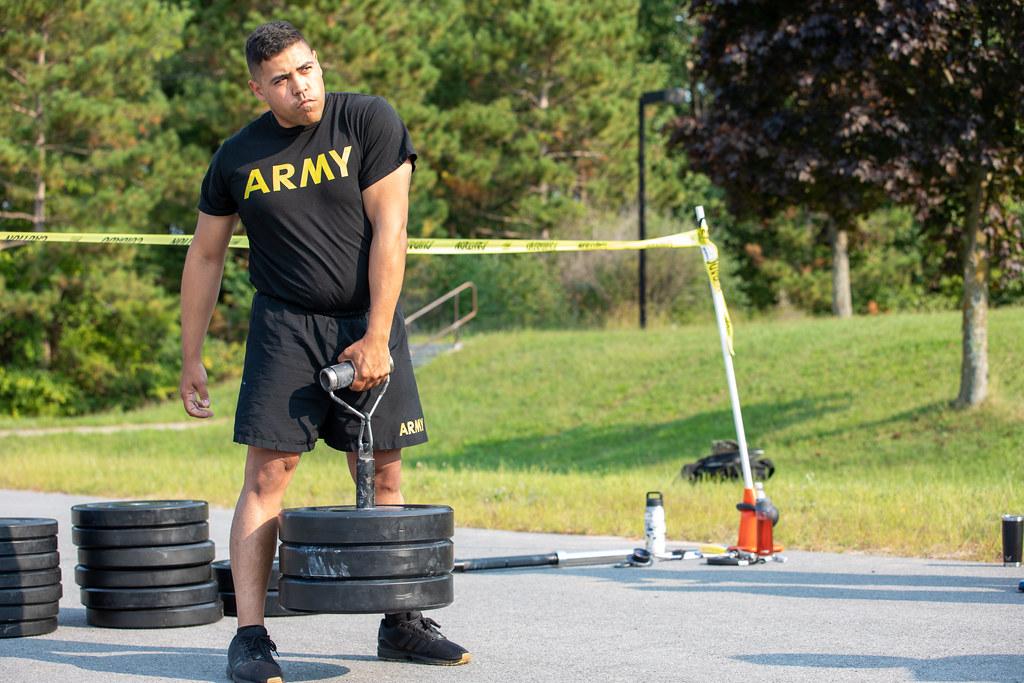
Grip Strength for Longevity: How Strong Hands Contribute to a Healthier Life
Quick answer
Strong grip isn’t just about opening jars—it’s a sign of overall vitality and a predictor of long-term health. Research links grip strength to better mobility, reduced risk of chronic disease, and greater independence as you age. The good news? You don’t need a gym. Simple, daily exercises can rebuild hand and forearm strength in weeks, helping you stay active and self-sufficient for years to come.
If you’re ready to start, *Strong Hands in 4 Weeks* offers a step-by-step plan designed for busy people who want stronger hands without equipment or complicated routines.
Why grip strength matters more than you think
Think about the last time you struggled to carry groceries, open a tight lid, or steady yourself on a handrail. These small moments reveal something bigger: your grip strength is quietly shaping your future. It’s not just about hands—it’s about how well your body holds up over time.
Grip strength is a proxy for muscle function, nerve health, and even cardiovascular fitness. Studies show that people with stronger grips tend to live longer, recover faster from illness, and maintain independence longer. It’s not magic—it’s mechanics. Strong hands support strong arms, stable shoulders, and a resilient core. When your grip weakens, everyday tasks become harder, and your world starts to shrink.
But here’s the thing: grip strength isn’t fixed. Unlike height or eye color, it’s something you can change—no matter your age or fitness level. And the best part? You don’t need to lift weights or join a gym. A few minutes a day with simple tools (or even household items) can make a real difference.
How grip strength connects to longevity
You might wonder: *How can something as small as hand strength affect how long I live?* The answer lies in how your body works as a system. Grip strength reflects more than just muscle—it’s a window into your overall health.
When your grip is strong, it often means your muscles, nerves, and bones are working well together. This coordination helps you stay active, avoid falls, and recover from injuries. Weak grip, on the other hand, is linked to higher risks of heart disease, diabetes, and even cognitive decline. It’s not that weak hands *cause* these problems—but they’re a sign that something in your body needs attention.
For example, if you struggle to hold a heavy bag or turn a doorknob, you’re more likely to avoid activities that require strength. Over time, this leads to less movement, weaker muscles, and a higher chance of injury. Strong grip helps break that cycle. It keeps you moving, lifting, and living fully—longer.
Who loses grip strength—and why
Grip strength naturally declines with age, but it’s not just about getting older. Many people lose hand strength *faster* than they should because of modern habits:
- Desk jobs: Typing and scrolling keep fingers busy, but they don’t build strength.
- Less manual work: Fewer people garden, carry groceries, or use tools regularly.
- Injuries: Wrist sprains, arthritis, or nerve damage can weaken grip over time.
- Inactivity: If you’re not using your hands for strength-based tasks, they get weaker.
The problem isn’t just inconvenience—it’s risk. Weak grip makes you more likely to drop things, lose balance, or struggle with daily tasks. Over time, this can lead to frustration, isolation, and even depression. The good news? You can reverse the trend with focused training.
How to test your grip strength at home
Before you start training, it helps to know where you stand. You don’t need fancy equipment—a simple test can give you a baseline.
Here’s how to do it:
- Find a bathroom scale and a sturdy bag (like a canvas tote).
- Place the scale on a table and stand next to it.
- Hold the bag with one hand and lift it straight up, keeping your arm straight and close to your body.
- Note the highest number the scale shows while you hold the bag steady for 3 seconds.
- Repeat with the other hand.
This isn’t a scientific test, but it gives you a rough idea of your grip strength. If you can’t hold more than 10–15 pounds, your grip is likely weaker than average for your age. If you can hold 20–30 pounds or more, you’re in good shape—but there’s always room to improve.
Simple ways to build grip strength (no gym required)
You don’t need expensive equipment or hours in the gym to strengthen your grip. Here are five effective exercises you can do at home, at work, or even while watching TV:
- Towel wring: Soak a towel in water, then wring it out as hard as you can. Do 10 reps per hand.
- Rice dig: Fill a bowl with uncooked rice. Plunge your hand in and open/close your fingers against the resistance. Do 30 seconds per hand.
- Finger extensions: Use a rubber band around your fingers and thumb. Open your hand against the band 15 times per hand.
- Pinch grip: Hold a thick book or small weight between your thumb and fingers. Lift and hold for 10 seconds. Do 5 reps per hand.
- Farmer’s carry: Grab two heavy bags (like grocery bags) and walk 30 steps. Keep your shoulders back and core engaged.
Start with 2–3 exercises, 3 times a week. Gradually increase reps or resistance as your hands get stronger. Consistency matters more than intensity—small efforts add up over time.
When to train—and when to rest
Grip training is like any other workout: your muscles need time to recover. If you train too hard, too soon, you risk strain or injury. Here’s how to balance effort and rest:
| Sign | What it means | What to do |
|---|---|---|
| Sore hands after training | Normal muscle fatigue | Rest 1–2 days before training again |
| Sharp pain in wrists or fingers | Possible strain or overuse | Stop training and rest for 3–5 days |
| Weakness or numbness | Possible nerve irritation | See a doctor before continuing |
| No progress after 2 weeks | Plateau or inconsistent training | Increase resistance or try new exercises |
Listen to your body. If something hurts, stop. If you’re not seeing progress, adjust your routine. Grip training should feel challenging, not painful.
If you’re unsure where to start or want a structured plan, *Strong Hands in 4 Weeks* provides a week-by-week guide with exercises tailored for real life—no guesswork required.
How grip strength supports independence as you age
Independence isn’t about big achievements—it’s about small, daily wins. Can you carry your own groceries? Open a jar without help? Hold onto a railing when you’re tired? These moments add up to a life where you’re in control.
Strong grip helps you stay self-sufficient in ways you might not expect:
- Mobility: Strong hands help you push up from chairs, steady yourself on stairs, and carry bags without strain.
- Confidence: When you know you can handle physical tasks, you’re more likely to stay active and social.
- Safety: Good grip reduces the risk of falls, which are a leading cause of injury in older adults.
- Quality of life: Simple pleasures—like gardening, cooking, or playing with grandkids—become easier and more enjoyable.
It’s not about being the strongest person in the room. It’s about being strong enough to live life on your terms.
Who this training is for (and who it’s not for)
Grip training isn’t one-size-fits-all. Here’s who benefits most—and who might need a different approach:
- Desk workers: If you type all day, your hands are active but not strong. Grip training balances that out.
- Older adults: If you’re noticing weakness in daily tasks, targeted exercises can help you regain strength.
- Injury recovery: If you’ve had wrist, hand, or arm injuries, gentle grip training can rebuild function safely.
- Fitness beginners: If you’re new to strength training, grip exercises are a low-risk way to start.
This approach *isn’t* for you if:
- You have severe arthritis or nerve damage (consult a doctor first).
- You’re recovering from surgery (follow your rehab plan).
- You’re already doing heavy strength training (your grip may already be strong).
If you’re a desk worker, parent, or anyone who wants stronger hands without complicated routines, *Strong Hands in 4 Weeks* is designed for you. It’s a practical, no-nonsense plan that fits into real life.
What to expect in 4 weeks
Four weeks is enough time to see real changes in your grip strength—if you’re consistent. Here’s what you can expect:
- Week 1: Exercises feel challenging but doable. You might notice slight soreness.
- Week 2: Movements feel smoother. You can do more reps or hold longer.
- Week 3: Daily tasks (like carrying bags or opening jars) feel easier.
- Week 4: You notice improved endurance and confidence in your hands.
Progress isn’t linear. Some days will feel harder than others. That’s normal. The key is to keep going—even when it’s tough.
Beyond grip: How strong hands support a healthier life
Grip strength is just one piece of the puzzle. When your hands are strong, you’re more likely to:
- Stay active: Strong hands make it easier to lift, carry, and move—so you’re more likely to exercise regularly.
- Eat well: Cooking from scratch (chopping, stirring, kneading) becomes easier and more enjoyable.
- Stay social: Whether it’s playing cards, gardening, or hugging grandkids, strong hands help you connect with others.
- Manage stress: Physical activity (including grip training) reduces stress and improves mood.
It’s not about perfection. It’s about progress. Every small improvement in your grip strength is a step toward a healthier, more independent life.
Your next steps
If you’re ready to build stronger hands, here’s what to do next:
- Test your grip: Use the bathroom scale method to get a baseline.
- Start small: Pick 2–3 exercises and do them 3 times a week.
- Track progress: Note how many reps you can do or how long you can hold a position.
- Adjust as needed: If something hurts, stop. If you’re not seeing progress, try new exercises or increase resistance.
If you want a structured plan that fits into a busy schedule, *Strong Hands in 4 Weeks* gives you clear, science-backed exercises with no guesswork. It’s designed for people who want results without the hassle.
Strong hands aren’t just about today—they’re about tomorrow. Start now, and you’ll thank yourself later.
Frequently asked questions
Does grip strength really predict how long I’ll live?
Grip strength is linked to longevity, but it’s not a crystal ball. It’s a sign of overall muscle health, which affects mobility, recovery, and independence. Strong grip won’t guarantee a long life, but it’s one piece of a healthy lifestyle.
How often should I train my grip?
Aim for 3–4 times a week, with rest days in between. Like any muscle, your hands need time to recover. Start with 5–10 minutes per session and gradually increase as you get stronger.
Can I improve grip strength if I have arthritis?
Yes, but you’ll need to be gentle. Focus on low-resistance exercises (like finger extensions or rice digs) and avoid movements that cause pain. If you’re unsure, talk to a physical therapist before starting.
What’s the best exercise for grip strength?
There’s no single “best” exercise—variety works best. Combine squeezing (like towel wrings), pinching (like holding a book), and extending (like rubber band opens) for balanced strength.
Will grip training make my hands bigger?
Grip training builds muscle, but your hands won’t bulk up like a bodybuilder’s. You’ll notice better definition and strength, not size. If you’re concerned about appearance, focus on endurance-based exercises (like farmer’s carries) rather than heavy resistance.
How long does it take to see results?
Most people notice small improvements in 2–3 weeks. Significant changes (like easier jar-opening or better endurance) usually take 4–6 weeks of consistent training. Stick with it—progress compounds over time.
Related guides
For the next practical step, explore these related guides:
Make Your Business Online By The Best No—Code & No—Plugin Solution In The Market.
30 Day Money-Back Guarantee
Say goodbye to your low online sales rate!