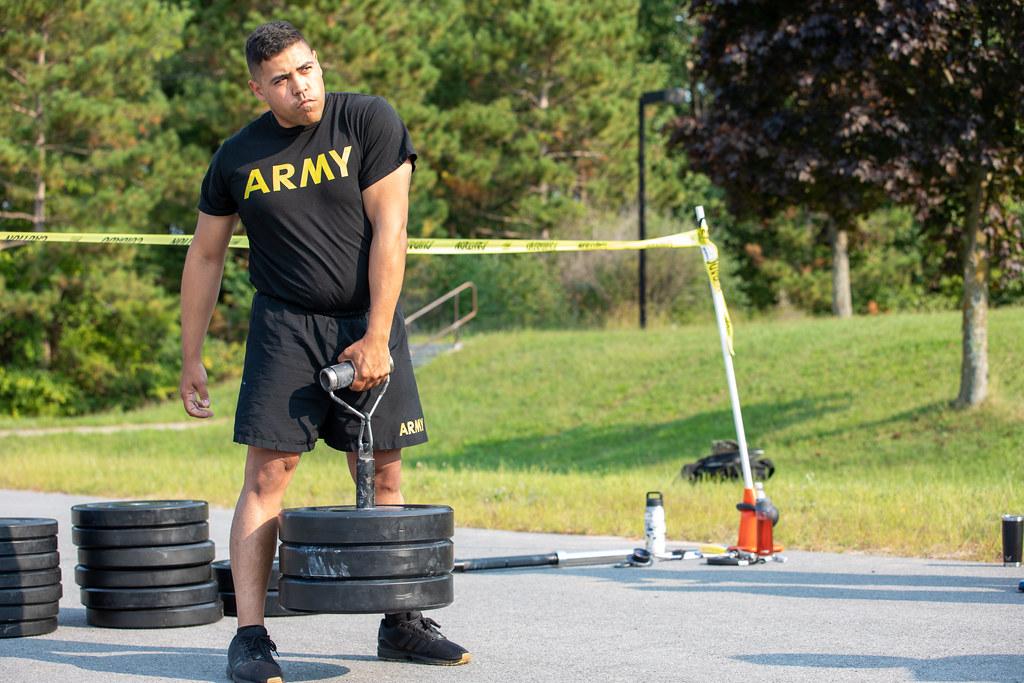
Why Desk Workers Lose Grip Strength: The Hidden Risks of Sedentary Jobs
Quick answer
Desk workers lose grip strength because prolonged typing, mouse use, and sitting reduce hand muscle activity. Poor posture, repetitive strain, and lack of resistance training weaken tendons and muscles over time. Without regular movement or targeted exercises, grip strength declines, making everyday tasks like opening jars or carrying groceries harder. The good news? Simple, no-equipment exercises can rebuild strength in just a few weeks.
If you’re noticing weaker hands, Strong Hands in 4 Weeks offers a structured plan to restore grip strength without disrupting your workday.
Why Your Hands Get Weaker at a Desk Job
Grip strength isn’t just about opening pickle jars. It’s a marker of overall health, linked to longevity, injury resilience, and even cognitive function. For desk workers, the decline happens gradually—so slowly you might not notice until you struggle with something simple, like turning a doorknob or holding a heavy pan.
The problem isn’t just inactivity. It’s the type of activity (or lack of it) that desk jobs demand. Here’s what’s really happening to your hands:
1. Repetitive Strain Without Resistance
Typing and scrolling are low-resistance movements. They engage small muscles in your fingers and wrists, but they don’t challenge your grip. Over time, muscles adapt to these limited demands, shrinking and weakening. It’s like doing bicep curls with a feather—your arms won’t get stronger, and neither will your hands.
Worse, repetitive motions can cause micro-tears in tendons, leading to stiffness or conditions like carpal tunnel syndrome. Without counteracting these movements, your grip strength plateaus or declines.
2. Poor Posture and Nerve Compression
Slouching at your desk doesn’t just hurt your back—it compresses nerves in your neck and shoulders, which can radiate down to your hands. The median nerve, which controls grip strength, is especially vulnerable. When compressed, it sends weaker signals to your hand muscles, reducing their ability to contract forcefully.
Try this: Sit up straight and squeeze your hand into a fist. Now slouch and try again. Notice the difference? Poor posture literally saps your grip strength in real time.
3. Lack of Full-Range Movement
Your hands are capable of hundreds of movements, but desk work restricts them to a handful: typing, clicking, and maybe the occasional stretch. Full-range movements—like gripping, twisting, or pinching—are rare in office life. Without them, joints stiffen, and muscles lose flexibility and power.
Think of your hand like a door hinge. If you only open it halfway, the hinge rusts. Your hands work the same way.
4. Reduced Blood Flow
Sitting for hours slows circulation, especially to your extremities. Less blood flow means fewer nutrients and oxygen reach your hand muscles, slowing recovery and weakening them over time. Cold hands at your desk? That’s a sign of poor circulation—and a warning that your grip strength is at risk.
How to Tell If Your Grip Strength Is Declining
You might not notice weaker hands until you face a challenge, like struggling with a stubborn lid or dropping objects more often. Here’s how to check if your grip strength is slipping:
| Sign | What It Means | Quick Test |
|---|---|---|
| Struggling with jars or bottles | Reduced pinch and crush grip strength | Try opening a new jar of pickles. If it takes more than 5 seconds, your grip may be weakening. |
| Hand fatigue after short tasks | Muscles aren’t conditioned for sustained effort | Hold a 5-pound weight (like a bag of flour) for 30 seconds. If your hand shakes or tires, your endurance is low. |
| Frequent wrist or finger stiffness | Tendons and joints aren’t moving enough | Make a fist, then fully extend your fingers. If it feels tight or painful, your range of motion is limited. |
| Dropping objects more often | Weakened reflexes and grip stability | Hold a pen between your thumb and index finger. If you can’t keep it steady for 10 seconds, your precision grip is weak. |
If any of these sound familiar, your grip strength is likely declining. The good news? It’s reversible with the right approach.
How to Rebuild Grip Strength at Your Desk
You don’t need a gym or expensive equipment to strengthen your hands. Small, consistent efforts can make a big difference. Here’s how to start:
1. Use Everyday Objects as Resistance Tools
Your desk is full of grip-strengthening opportunities. Try these:
- Squeeze a stress ball: Keep one at your desk and squeeze it for 10 reps every hour. Focus on slow, controlled movements.
- Grip a water bottle: Fill a 16-ounce bottle with water and hold it like a dumbbell. Lift it up and down, or hold it out to the side for 10 seconds.
- Pinch a stack of paper: Grab a thick stack of paper between your thumb and fingers. Lift it off the desk and hold for 5 seconds. Repeat 5 times.
These micro-workouts take less than a minute but add up over time.
2. Fix Your Posture to Free Your Nerves
Improving your posture isn’t just about your back—it’s about your hands, too. Here’s how to set up your workspace for better grip health:
- Adjust your chair: Your feet should rest flat on the floor, and your knees should be at hip level. This reduces pressure on your lower back and improves circulation.
- Keep your wrists straight: When typing, your wrists should be in a neutral position, not bent up or down. Use a wrist rest if needed.
- Take micro-breaks: Every 30 minutes, stand up, stretch your arms overhead, and shake out your hands. This relieves nerve compression and boosts blood flow.
3. Stretch Your Hands and Forearms
Tight muscles and tendons limit your grip strength. Stretching keeps them flexible and strong. Try these stretches at your desk:
- Finger extensions: Place your palm on your desk and gently press your fingers flat. Hold for 10 seconds, then release. Repeat 5 times per hand.
- Wrist flexor stretch: Extend your arm in front of you, palm up. Use your other hand to gently pull your fingers back toward your body. Hold for 10 seconds, then switch hands.
- Thumb stretch: Pull your thumb away from your palm until you feel a gentle stretch. Hold for 5 seconds, then release. Repeat 5 times per hand.
4. Turn Chores Into Grip Workouts
Everyday tasks can double as grip training. Here’s how to sneak in strength-building moments:
- Carry groceries with your fingertips: Instead of using your whole hand, grip bags with just your fingers. This builds pinch strength.
- Open doors with your non-dominant hand: It’s harder, which means your muscles work harder.
- Use a manual can opener: It forces your hands to work, unlike electric openers.
These small changes add resistance to your daily routine without extra time.
When to Consider a Structured Program
If you’ve tried the tips above but still struggle with grip strength, a structured program can help. Strong Hands in 4 Weeks is designed for desk workers who want a clear, science-backed plan to rebuild strength without leaving their workspace. Here’s who it’s for:
- You’ve noticed your hands feel weaker than they used to, and you want to fix it before it gets worse.
- You’ve tried random exercises but haven’t seen results—you need a step-by-step plan.
- You don’t have time for long workouts but can spare 5–10 minutes a day.
- You want exercises that fit into your workday, not disrupt it.
The program includes:
- Daily 5-minute routines that target all types of grip strength: crush, pinch, and support.
- Progressive challenges to keep your hands adapting and growing stronger.
- Tips to integrate grip training into your existing habits, like during meetings or breaks.
If you’re ready to take your grip strength seriously, Strong Hands in 4 Weeks can guide you through the process.
Long-Term Risks of Ignoring Weak Grip Strength
Weak grip strength isn’t just an inconvenience—it’s a warning sign. Research suggests that grip strength is linked to:
- Increased risk of injury: Weak hands are more prone to strains, sprains, and conditions like tendonitis.
- Reduced independence: As you age, weak grip strength makes daily tasks—like carrying groceries or opening doors—harder.
- Poorer overall health: Studies associate low grip strength with higher risks of heart disease, diabetes, and even cognitive decline.
The sooner you address it, the easier it is to reverse. Waiting until you’re struggling with basic tasks makes recovery slower and more frustrating.
Frequently Asked Questions
Why do desk workers have weak grip strength compared to manual laborers?
Desk workers use their hands for low-resistance, repetitive tasks like typing and clicking, which don’t challenge grip muscles. Manual laborers, on the other hand, frequently lift, carry, and grip objects, which builds and maintains strength. Without resistance, desk workers’ hand muscles shrink and weaken over time.
Can poor grip strength affect my work performance?
Yes. Weak grip strength can lead to hand fatigue, reduced endurance, and even pain during tasks like writing, typing, or using tools. Over time, this can slow you down, increase errors, and make your workday more tiring. Stronger hands improve precision and stamina, helping you work more efficiently.
How long does it take to rebuild grip strength?
With consistent effort, you can see noticeable improvements in 2–4 weeks. Simple exercises, like squeezing a stress ball or gripping a water bottle, can yield results quickly. For long-term strength, aim to incorporate grip training into your daily routine, even after you’ve reached your goals.
Are there specific exercises to avoid if I already have hand pain?
If you have hand pain, avoid high-impact or high-resistance exercises, like heavy gripping or rapid finger movements. Instead, focus on gentle stretches and low-resistance activities, like squeezing a soft ball or using putty. If pain persists, consult a healthcare professional to rule out conditions like carpal tunnel syndrome or arthritis.
Does grip strength decline with age, or is it just from desk work?
Grip strength naturally declines with age due to muscle loss (sarcopenia) and reduced tendon elasticity. However, desk work accelerates this decline by limiting hand activity. The good news? Regular grip training can slow or even reverse age-related weakness, keeping your hands strong and functional for years.
What’s the best way to measure grip strength at home?
You can measure grip strength at home using a simple test: Hold a bathroom scale between your thumb and fingers, then squeeze as hard as you can. Note the highest number. For a more accurate measurement, use a dynamometer (a handheld grip strength tool). Track your progress over time to see improvements.
Final Thoughts
Weak grip strength isn’t inevitable for desk workers. It’s a side effect of modern work habits—and one you can reverse with small, consistent changes. Start by adding resistance to your daily routine, fixing your posture, and stretching your hands regularly. If you want a structured plan to rebuild strength efficiently, Strong Hands in 4 Weeks is designed to help you regain grip strength without disrupting your workday. Your hands do more than you realize—give them the attention they deserve.
Related guides
For the next practical step, explore these related guides:
Make Your Business Online By The Best No—Code & No—Plugin Solution In The Market.
30 Day Money-Back Guarantee
Say goodbye to your low online sales rate!