Regain Financial Control After Loss in 30 Days
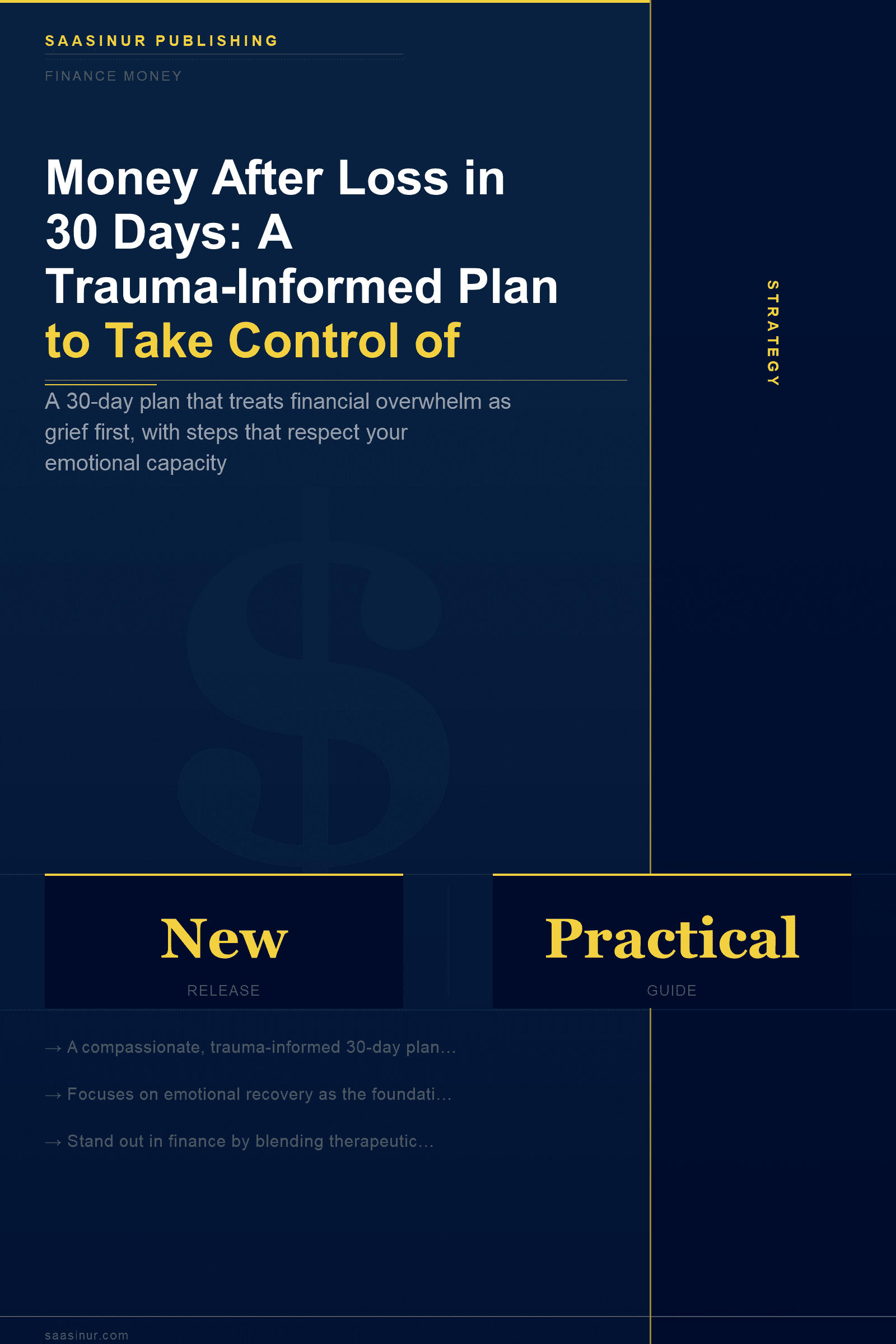
Money After Loss in 30 Days: A Trauma-Informed Plan to Take Control of Finances When Your Partner Handled Everything
Grief doesn’t take a pause when bills are due or accounts need managing. If your partner previously handled all the finances and now you’re left feeling overwhelmed, lost, or even numb, this book is your gentle guide to reclaiming control—without adding to the emotional burden.
Why This Book?
Most financial guides assume you’re starting from a place of clarity and confidence. But when loss shatters your sense of stability, even small financial decisions can feel paralyzing. Money After Loss in 30 Days was written for those who need a plan that respects their emotional capacity first. It treats financial overwhelm like grief, acknowledging that healing and progress must happen together—not in spite of each other.
A 30-Day Plan Designed for Real Recovery
This isn’t a generic 30-day challenge or a rigid financial manual. It’s a compassionate roadmap that breaks down financial tasks into manageable steps, allowing you to move forward at your own pace. Each day focuses on a specific area—from locating important documents to understanding credit reports—while offering space for reflection and self-care. The plan is structured to reduce anxiety, not amplify it.
Who Is This For?
This book is for anyone who has experienced a significant loss (death of a partner, divorce, separation, or sudden incapacity) and now finds themselves responsible for finances they never managed before. It’s for those who need permission to grieve while still taking action. Whether you’re feeling stuck, confused, or just unsure where to begin, this guide meets you where you are.
What You’ll Learn (Without the Overwhelm)
- Emotional First Aid: How to acknowledge and process the emotional weight of financial responsibility after loss.
- Step-by-Step Recovery: Clear, bite-sized actions for 30 days to regain control without burnout.
- Safe Spaces for Mistakes: Understanding that setbacks are part of the process—and how to handle them without shame.
- Practical Tools: Worksheets, checklists, and scripts to simplify complex tasks like contacting institutions or reviewing accounts.
- Community & Resources: Where to find support beyond this book, including trusted financial professionals and grief counselors.
How This Differs From Other Financial Guides
Unlike traditional finance books, this one doesn’t assume you’re ready to dive into spreadsheets or aggressive budgeting. Instead, it acknowledges that grief is a real barrier to financial clarity. The approach is:
- Trauma-Informed: Recognizes that financial stress can trigger trauma responses, and adapts accordingly.
- Flexible: No rigid rules—just a framework you can adjust to fit your emotional and practical needs.
- Compassionate: Written by someone who understands that healing from loss and handling finances are intertwined, not separate.
What to Expect in the Pages
Each chapter corresponds to a week in the 30-day plan, with daily prompts and reflections. You’ll find:
- Week 1: Awareness – Identifying what you know, what you don’t, and where to seek help.
- Week 2: Foundation – Gathering documents, understanding accounts, and setting up a simple tracking system.
- Week 3: Action – Making necessary updates, reaching out to institutions, and starting to take control.
- Week 4: Integration – Reviewing progress, adjusting plans, and planning for the future with confidence.
You Don’t Have to Do This Alone
The book also includes guidance on how to communicate with financial advisors, family members, or friends about your needs. It’s a reminder that asking for help isn’t a sign of weakness—it’s part of the process.
If you’re ready to take the first step toward financial empowerment without leaving your emotional well-being behind, this book is your companion.