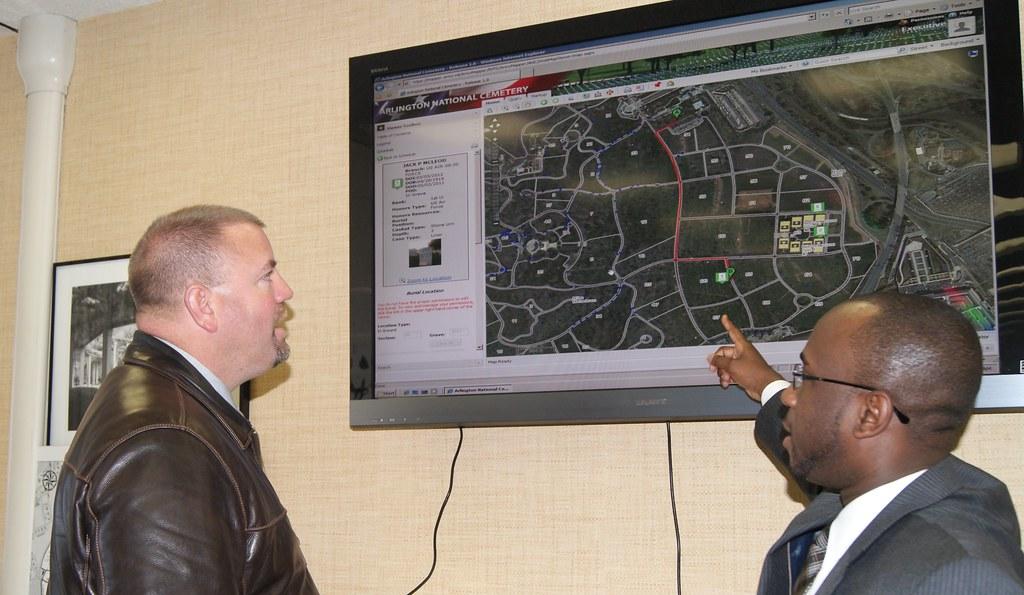
How to Market a Cemetery Business with Sensitivity and Respect
Quick answer
Marketing a cemetery business requires a balance of professionalism and compassion. Focus on community trust, transparent communication, and respectful engagement. Use educational content, local partnerships, and thoughtful digital presence to build relationships—not just sales. Prioritize dignity in every message, and align your efforts with the emotional needs of families during difficult times.
Why sensitivity matters in cemetery marketing
Cemeteries are not typical businesses. They serve families during some of life’s most vulnerable moments. This reality shapes every decision—from the words you use in ads to how you engage with the community. A misstep isn’t just bad marketing; it can damage trust for years.
For example, a local cemetery in a small town once ran a “limited-time discount” campaign on burial plots. The backlash was immediate. Families felt the messaging was insensitive, and the cemetery lost credibility. The lesson? Even well-intentioned promotions can backfire if they don’t align with the emotional weight of your service.
Your marketing should reflect the values of your business: respect, care, and support. This doesn’t mean avoiding growth or profit—it means growing in a way that honors the people you serve.
Building trust through community engagement
Trust is the foundation of any cemetery business. Families need to feel confident that their loved ones will be cared for with dignity. Community engagement is one of the most effective ways to build that trust. Here’s how to do it thoughtfully:
Host educational events
Many people don’t think about cemetery services until they need them. Hosting free, informative events can position your business as a helpful resource—not just a service provider. Consider topics like:
- Pre-planning options and their benefits
- Understanding cemetery regulations and permits
- Memorialization ideas and trends
For example, a cemetery in Oregon hosted a “Planning Ahead” workshop at a local library. The event was advertised as a way to reduce stress for families, not as a sales pitch. Attendance was strong, and several attendees later chose the cemetery for pre-planning services.
Partner with local organizations
Collaborate with hospices, funeral homes, and senior centers. These organizations interact with families who may need cemetery services. Offer to provide informational materials or give presentations at their facilities. Avoid direct sales language; instead, focus on how your services can support their clients.
A cemetery in Texas partnered with a local hospice to offer a “Legacy Planning” seminar. The hospice promoted the event to their clients, and the cemetery provided the expertise. The result? A steady stream of referrals built on trust, not transactions.
Sponsor community initiatives
Sponsor local events, charities, or memorials that align with your values. For example, you could sponsor a veterans’ memorial, a community garden, or a scholarship fund. These efforts show that your business is invested in the community’s well-being, not just its own growth.
A cemetery in Florida sponsors an annual “Walk to Remember” event for families who have lost loved ones. The event raises awareness for grief support and provides a space for healing. The cemetery’s involvement is subtle but meaningful, reinforcing its role as a compassionate community partner.
Digital marketing with dignity
Your online presence should reflect the same respect and care as your in-person interactions. Digital marketing isn’t just about visibility—it’s about creating a space where families feel understood and supported.
Website: Your most important tool
Your website is often the first interaction families have with your business. It should be easy to navigate, informative, and emotionally considerate. Key elements to include:
- A clear, compassionate homepage message (e.g., “Honoring lives with dignity and care”)
- Detailed information about services, pricing, and pre-planning options
- A blog with educational content (e.g., “How to Choose a Cemetery Plot” or “Understanding Memorial Options”)
- Testimonials from families who have used your services
- A simple, respectful contact form
Avoid using aggressive sales language or pop-ups. Instead, focus on providing value. For example, a cemetery in California added a “Resources” section to its website with downloadable guides on pre-planning and grief support. This approach positioned the business as a helpful resource, not just a service provider.
Social media: A platform for connection
Social media can be a powerful tool for building relationships, but it requires a delicate touch. Use platforms like Facebook and Instagram to share stories, educate, and engage—not to sell. Ideas for content include:
- Stories of local veterans or community members buried in your cemetery
- Educational posts about cemetery history, maintenance, or memorialization options
- Behind-the-scenes looks at how your team cares for the grounds
- Memorial day or holiday tributes
A cemetery in New York uses Instagram to share “Stories of Remembrance,” featuring brief, respectful profiles of individuals buried there. The posts are shared with the families’ permission and focus on celebrating lives, not promoting services. This approach has helped the cemetery build a loyal following and positive reputation.
Email marketing: Stay connected with care
Email is a great way to stay in touch with families who have used your services or expressed interest. However, the tone should always be respectful and supportive. Consider sending:
- Seasonal reminders (e.g., “Honoring Your Loved One This Memorial Day”)
- Educational newsletters (e.g., “Understanding Cemetery Regulations”)
- Invitations to community events or workshops
A cemetery in Illinois sends a quarterly newsletter with tips on memorial care, updates on cemetery maintenance, and stories of local history. The newsletter is sent to families who have pre-planned or purchased plots, as well as to local partners like funeral homes. The tone is warm and informative, never pushy.
Paid advertising: Proceed with caution
Paid advertising can be effective, but it’s easy to cross the line into insensitivity. If you choose to use ads, keep these principles in mind:
- Focus on education, not sales. Ads should provide value, not pressure. For example, an ad titled “What to Know Before Choosing a Cemetery” is more appropriate than “Buy a Plot Today.”
- Avoid emotional triggers. Words like “urgent,” “limited-time,” or “discount” can feel exploitative in this context. Instead, use neutral, informative language.
- Target carefully. Use demographic and interest-based targeting to reach people who may be researching cemetery services, such as older adults or those interested in estate planning. Avoid targeting grieving families directly.
For example, a cemetery in Ohio ran a Facebook ad campaign targeting adults aged 55+ with an interest in estate planning. The ads linked to a blog post titled “5 Questions to Ask When Choosing a Cemetery.” The campaign generated leads without alienating potential customers.
Pricing and transparency: Building trust through honesty
Pricing is a sensitive topic in the cemetery industry. Families want to know they’re getting fair value, but they also don’t want to feel like they’re being upsold during a difficult time. Transparency is key.
How to present pricing respectfully
Include clear, upfront pricing on your website and in your marketing materials. Avoid hiding fees or using vague language. For example, instead of saying “Prices start at $X,” provide a detailed breakdown of what’s included in each package.
A cemetery in Arizona created a “Pricing Guide” that outlines the costs of plots, memorials, and maintenance fees. The guide is available for download on their website and is also sent to families who inquire about services. This approach has reduced confusion and built trust with potential customers.
Offering payment plans
Many families struggle with the upfront cost of cemetery services. Offering payment plans can make your services more accessible while demonstrating empathy. Be clear about the terms and avoid high-pressure sales tactics.
For example, a cemetery in Georgia offers a “Pre-Planning Payment Plan” that allows families to pay for services over 12 or 24 months. The plan is presented as a way to reduce financial stress, not as a sales pitch. This approach has increased pre-planning rates by 30%.
Handling objections with empathy
Families may have concerns or objections when considering cemetery services. How you respond can make all the difference. Here’s a table to help you address common objections with sensitivity:
| Objection | Respectful Response | Example |
|---|---|---|
| “I don’t want to think about this right now.” | Acknowledge their feelings and offer to provide information for when they’re ready. | “I completely understand. This is a difficult topic, and it’s okay to take your time. Here’s a guide that might help when you’re ready to explore your options.” |
| “Cemetery services are too expensive.” | Explain the value of your services and offer flexible payment options. | “I hear you. We offer a range of options to fit different budgets, including payment plans. Would it help if I walked you through the costs and what’s included?” |
| “I don’t trust cemetery businesses.” | Share your business’s values, history, and commitment to transparency. | “I understand why you might feel that way. We’ve been serving this community for over 50 years, and our focus is on honesty and respect. Here’s what sets us apart…” |
| “I don’t know what I need.” | Provide educational resources and offer to guide them through the process. | “That’s completely normal. Many families feel overwhelmed. Here’s a checklist to help you think through your options, and I’m happy to answer any questions.” |
Measuring success: Beyond the bottom line
Marketing a cemetery business isn’t just about sales—it’s about building relationships and trust. While revenue is important, it’s not the only measure of success. Consider tracking these metrics to gauge the effectiveness of your efforts:
- Community engagement: Attendance at events, partnerships with local organizations, and social media interactions.
- Trust and reputation: Online reviews, testimonials, and word-of-mouth referrals.
- Educational impact: Downloads of guides, blog traffic, and inquiries about pre-planning.
- Customer satisfaction: Feedback from families who have used your services.
For example, a cemetery in Colorado tracks the number of families who attend their educational workshops and later choose their services. They also monitor online reviews and respond to feedback promptly. These metrics help them understand what’s working and where they can improve.
Who this ebook is for
If you’re looking to grow your cemetery business while maintaining the trust and respect of your community, Run Your Cemetery Like a Business: The Modern Owner’s Guide to Profit and Growth is designed for you. This ebook goes beyond marketing to cover:
- Strategic planning for long-term growth
- Financial management and pricing strategies
- Operational best practices for cemetery maintenance
- Community engagement and partnership ideas
- Digital marketing tactics tailored to the cemetery industry
Whether you’re a new owner or an experienced professional, this guide provides practical, ethical strategies to help you run your cemetery with confidence and care. It’s not about cutting corners—it’s about building a sustainable business that serves families with dignity.
Next steps: Putting it into action
Marketing a cemetery business with sensitivity and respect isn’t a one-time effort—it’s an ongoing commitment. Here’s how to get started:
- Audit your current marketing. Review your website, social media, and advertising materials. Do they reflect the values of respect and care? If not, make adjustments.
- Plan a community event. Choose a topic that provides value, like pre-planning or memorialization options. Promote it through local partners and social media.
- Update your website. Add educational content, clear pricing, and testimonials. Make it easy for families to find the information they need.
- Engage on social media. Share stories, educate, and connect with your community. Avoid sales language and focus on building relationships.
- Train your team. Ensure everyone who interacts with families understands the importance of empathy and respect. Role-play common objections to build confidence.
If you’re ready to take your cemetery business to the next level, Run Your Cemetery Like a Business: The Modern Owner’s Guide to Profit and Growth offers a roadmap for ethical, effective growth. It’s a resource for owners who want to balance profitability with compassion—and build a business that families can trust.
Frequently asked questions
How do I market a cemetery without being insensitive?
Focus on education, community engagement, and transparency. Avoid sales language and emotional triggers. Instead, provide value through informative content, respectful events, and clear communication. For example, host workshops on pre-planning or share stories of local history on social media.
What are the best ways to build trust with families?
Trust is built through consistency, transparency, and empathy. Be honest about pricing, offer flexible payment options, and engage with the community through events and partnerships. For example, sponsor a local memorial or provide educational resources on your website.
How can I use social media to market my cemetery?
Use social media to share stories, educate, and connect—not to sell. Post respectful tributes, behind-the-scenes content, and educational posts about cemetery history or memorialization. For example, share a “Story of Remembrance” about a local veteran buried in your cemetery, with the family’s permission.
What should I include on my cemetery’s website?
Your website should be informative, easy to navigate, and emotionally considerate. Include clear pricing, educational content, testimonials, and a simple contact form. Avoid aggressive sales language. For example, add a “Resources” section with downloadable guides on pre-planning or grief support.
How do I handle objections from families?
Listen to their concerns, acknowledge their feelings, and respond with empathy. For example, if a family says they’re not ready to think about cemetery services, offer to provide information for when they are. Avoid high-pressure tactics and focus on building trust.
Is paid advertising appropriate for a cemetery business?
Paid advertising can work if done carefully. Focus on education, not sales, and avoid emotional triggers. For example, run ads targeting older adults with an interest in estate planning, linking to a blog post about choosing a cemetery. Avoid words like “discount” or “urgent.”
Related guides
For the next practical step, explore these related guides:
Make Your Business Online By The Best No—Code & No—Plugin Solution In The Market.
30 Day Money-Back Guarantee
Say goodbye to your low online sales rate!
How do I market a cemetery without being insensitive?
Focus on education, community engagement, and transparency. Avoid sales language and emotional triggers. Instead, provide value through informative content, respectful events, and clear communication. For example, host workshops on pre-planning or share stories of local history on social media.
What are the best ways to build trust with families?
Trust is built through consistency, transparency, and empathy. Be honest about pricing, offer flexible payment options, and engage with the community through events and partnerships. For example, sponsor a local memorial or provide educational resources on your website.
How can I use social media to market my cemetery?
Use social media to share stories, educate, and connect—not to sell. Post respectful tributes, behind-the-scenes content, and educational posts about cemetery history or memorialization. For example, share a “Story of Remembrance” about a local veteran buried in your cemetery, with the family’s permission.
What should I include on my cemetery’s website?
Your website should be informative, easy to navigate, and emotionally considerate. Include clear pricing, educational content, testimonials, and a simple contact form. Avoid aggressive sales language. For example, add a “Resources” section with downloadable guides on pre-planning or grief support.
How do I handle objections from families?
Listen to their concerns, acknowledge their feelings, and respond with empathy. For example, if a family says they’re not ready to think about cemetery services, offer to provide information for when they are. Avoid high-pressure tactics and focus on building trust.
Is paid advertising appropriate for a cemetery business?
Paid advertising can work if done carefully. Focus on education, not sales, and avoid emotional triggers. For example, run ads targeting older adults with an interest in estate planning, linking to a blog post about choosing a cemetery. Avoid words like “discount” or “urgent.”